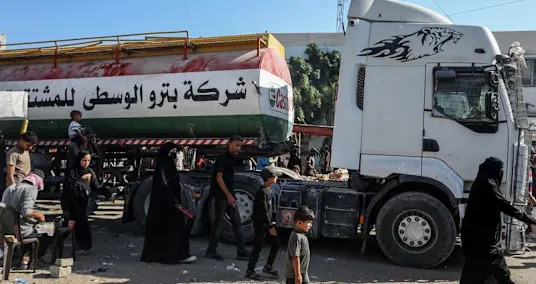
The evacuations were suspended after an individual who was contracted to provide services to the WHO in Gaza was killed during a security incident, Tedros said.
The World Health Organization (WHO) suspended medical evacuations of patients from Gaza to Egypt via the Rafah border crossing until further notice, WHO Director-General Dr. Tedros Adhanom Ghebreyesus announced Monday night.
The evacuations were suspended after an individual who was contracted to provide services to the WHO in Gaza was killed during a security incident, Tedros said.
Two WHO staff members were present at the incident but were not injured.
No other details of the incident were shared. However, Tedros wrote that it “is under investigation by the relevant authorities.”
The Rafah crossing
Medical evacuations via the Rafah crossing were last suspended between 23 and 25 March due to unsafe conditions. Rafah is currently the only point of access to outside medical care for those within Gaza.
According to the WHO, on March 27, thousands of patients still await medical evacuation from Gaza.
LATEST POSTS
- 1
 Journalist reported killed in the Gaza Strip
 - 2Instructions to Perform Fundamental Upkeep on Your Slam 1500.
- 3Windows to the Previous: An Excursion Through the World's Notable Engineering
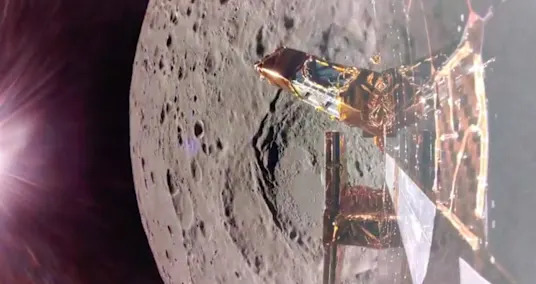
- 41st results from Blue Ghost lunar lander reveal how much we still don't know about the moon
- 5See a half-lit moon shine among the stars of Aquarius on Nov. 27



- 4 Dazzling And Well known Island Objections In US
- COGAT discovers motor oil hidden inside UN's humanitarian aid to Gaza in smuggling attempt
- Lawsuit claims ChatGPT exacerbated man's delusions leading to murder-suicide
- Investigate Something else for Less: Financial plan Travel Objections
- Top 5 Top of the line Books of the Year
- Share your pick for the riding area that characterizes your surf undertakings!
- What is the Insurrection Act? Can Trump really use the military to 'put an end' to Minneapolis ICE protests?
- The Best Business visionaries Under 30
- There are thousands of aligned holes in Peru. Archaeologists now think they know who made them